

The Allure of Casino Games
Casino games have an intrinsic allure that captivates players, drawing them into an environment filled with flashing lights, rhythmic sounds, and a promise of excitement. This atmosphere stimulates the brain’s reward centers, creating an exhilarating experience that many find hard to resist. Players often find themselves entranced by the combination of chance and strategy, which heightens the thrill as they engage in games of luck, including texas sports gambling, such as slots, poker, and blackjack.
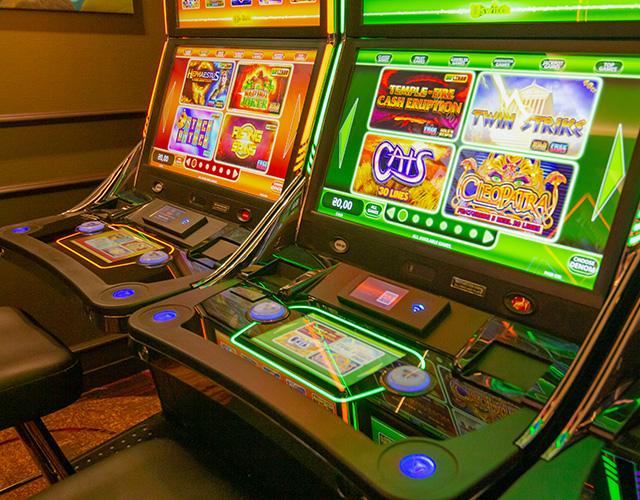
This allure is further enhanced by the design of casinos themselves, which are strategically crafted to keep players engaged. Elements such as the absence of clocks, the layout of gaming tables, and the carefully curated soundscapes are all intended to foster a sense of timelessness and immersion. Understanding these psychological triggers can help clarify why players may spend hours in a casino, often losing track of their time and money.
The Role of Gambling Psychology
Gambling psychology delves into the cognitive and emotional processes that influence gambling behavior. Many players experience a phenomenon known as the “gambler’s fallacy,” where they believe that past outcomes in games of chance can predict future results. This irrational thinking fosters a cycle of hope and disappointment, driving players to chase losses in an effort to regain their previous stakes. Unknown factors, such as individual experiences or cultural influences, can further complicate this dynamic.
Additionally, the concepts of loss aversion and the endowment effect play crucial roles in player behavior. Loss aversion suggests that individuals fear losses more than they appreciate equivalent gains, leading them to take greater risks to avoid losing. Meanwhile, the endowment effect can cause players to overvalue their chips or winnings, further entrenching them in the gambling experience and making it challenging to walk away.
Motivation and Reward Systems
The motivation behind participating in casino games is often complex and can vary significantly among individuals. For some, the thrill of potentially winning big is the primary motivator, while others are drawn to the social aspects of gambling, finding enjoyment in the camaraderie and interaction with fellow players. This social dimension may enhance the overall experience, creating a sense of belonging that can be hard to replicate outside of the casino environment.
Furthermore, the reward systems at play in casino games can create potent behavioral triggers. The intermittent reinforcement schedule, where rewards are given sporadically rather than consistently, can lead to increased engagement and compulsive behavior. Players may find themselves returning to the tables not just for the monetary rewards but for the psychological and social gratification that comes with the experience.
The Impact of Technology on Player Behavior
Technological advancements have transformed the gambling landscape, introducing online casinos and mobile gaming platforms that have changed how players engage with games. This accessibility has amplified the psychological aspects of gambling, allowing players to partake in their favorite activities from the comfort of their homes, which can sometimes lead to excessive gambling behavior. The ease of access can diminish the perceived risk, making it easier for players to lose track of their spending and time.
Moreover, technologies like Virtual Reality (VR) and Augmented Reality (AR) are beginning to provide immersive gambling experiences that blur the line between reality and gaming. These technologies not only enhance the gambling experience but also introduce new psychological dynamics, as players may find it increasingly difficult to separate their experiences in the virtual realm from their real-world consequences.

Resources for Responsible Gambling
As the understanding of the psychology behind casino games evolves, so does the need for resources that promote responsible gambling. Various organizations and websites provide valuable information and tools to help players recognize their behaviors and make informed choices. These resources often include self-assessment tests, strategies for setting limits, and educational content focused on the potential risks associated with gambling.
By staying informed and utilizing available resources, players can cultivate a healthier relationship with gambling. This is vital not just for personal well-being but also for fostering a culture of responsible gaming within the broader gambling community. Whether players are engaging in traditional casino environments or exploring online platforms, awareness and education are key elements in enhancing their gambling experiences safely.